
They called it saving. Let's do the actual math.
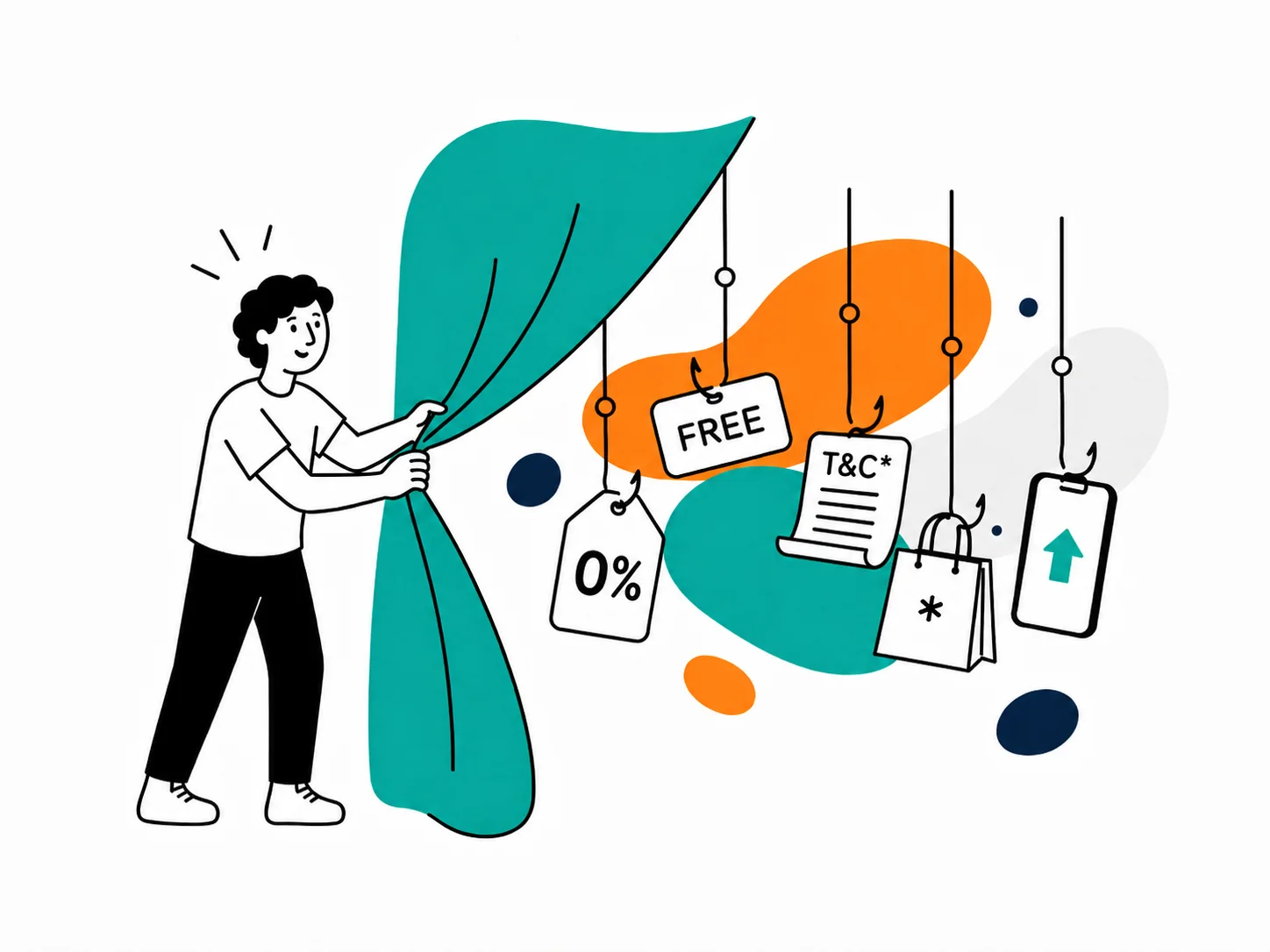
No-cost EMI. Free shipping. Cashback rewards. These aren't savings — they're hooks.
- 4 hooks audited
- 2 minutes
- 100% free
The real cost of 'only ₹2,000/month'
The No-Cost EMI Trap
"You wouldn't have bought it if you had to pay ₹48,000 cash."
This isn't about your home loan or car — those are structural costs covered in Smart Switches. This is about phones, laptops, appliances, and gadgets you bought on "no-cost EMI" because ₹2,000/month felt painless. Let's see what those painless payments add up to.
How many no-cost EMIs are you running?
85+ people have checked their spending traps on Savepuri
Exposing tricks from: Amazon · Flipkart · Swiggy · Zomato · CRED · Paytm · Apple · Samsung · and more
How it works
Two taps. No judgement. Just the math they don't show you.
Pick the hook
No-cost EMI, free shipping, cashback rewards, or upgrade cycles — pick the one that sounds familiar.
Answer honestly
A couple of quick taps — how often, how much. No login, no bank access, no personal data.
See through the trick
Get the real number behind the 'saving.' Share it with someone who needs to see it too.
The tricks behind the "deals"
Companies spent millions designing these. You're not supposed to notice.
Hidden cost of 3 'no-cost' EMIs at ₹6,000/month
Annual free-shipping top-ups to save ₹1,900 in delivery
Of cashback gets wasted on things you didn't need
Annual cost of upgrading your phone every 2 years vs 3
"No-cost EMI" makes ₹48,000 feel like ₹2,000. "Free shipping" makes you add ₹200 to save ₹40. Cashback makes you spend ₹1,00,000 to feel good about ₹1,500. And every phone launch makes last year's perfectly fine device feel obsolete. These aren't accidents — they're designed by teams of behavioural psychologists to make spending feel like saving. SavePuri does the one thing they hope you won't: the actual math.
Frequently asked
They designed the hook. You deserve the math.
Check what "saving" is really costing you — takes 2 minutes.